

- Hybrid
- On sale!
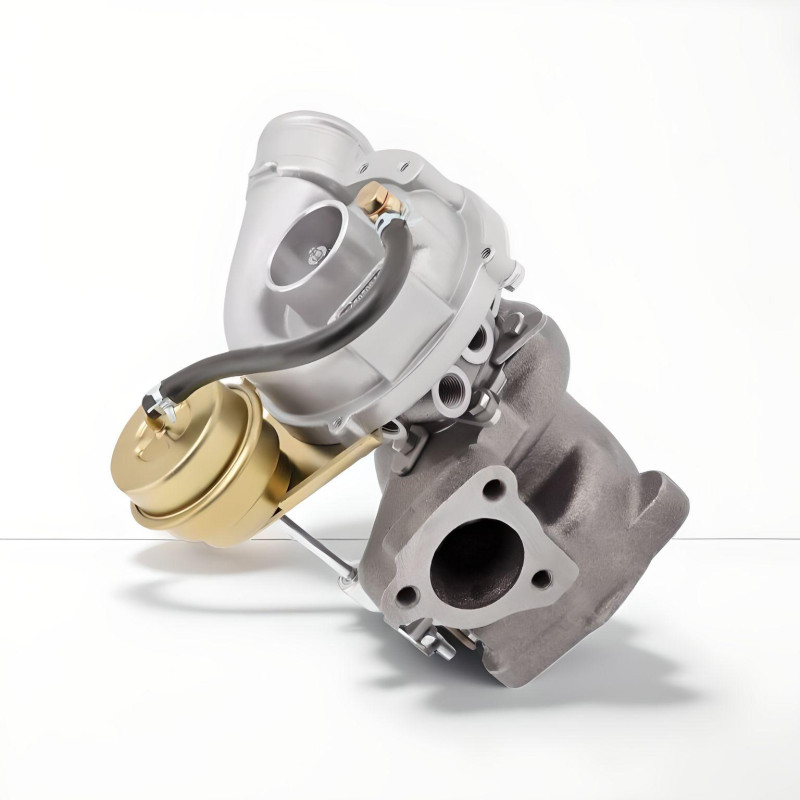

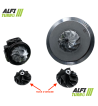
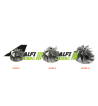
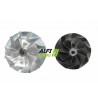
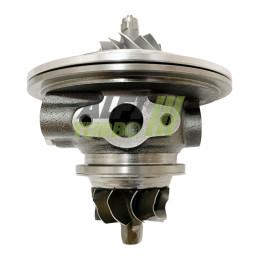
ALFI ref.: HYB-K03-004
AUDI A4 B5 (8D2) 1.8 T / 1.8 T quattro • 150 / 180 HP
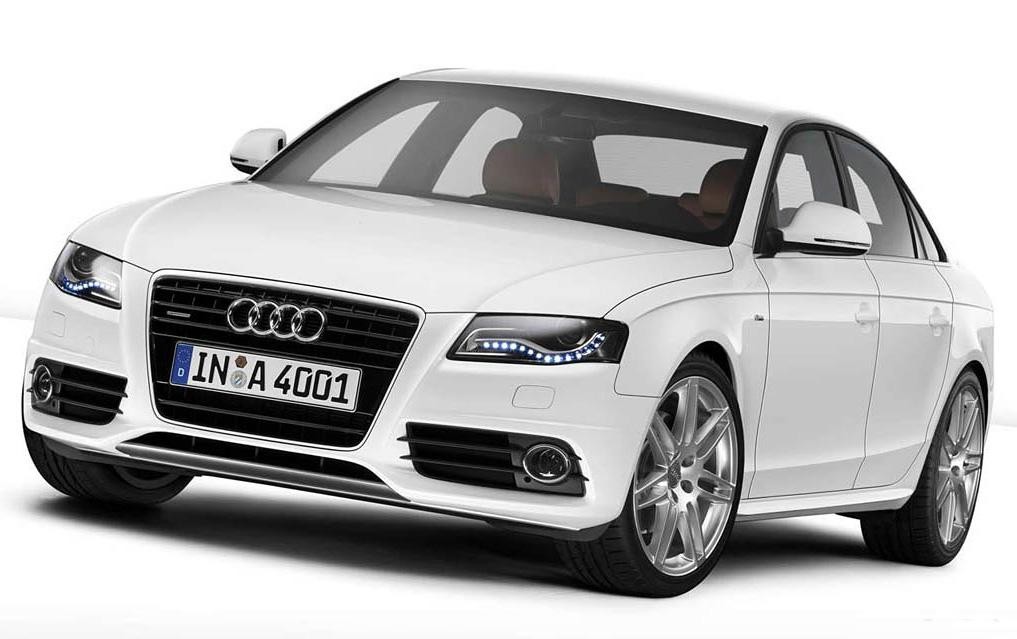
1781 cm³ · Essence
Source: TecDoc / TecAlliance
Source: TecDoc / TecAlliance
Check the OEM reference of your original turbo before buying: the model alone does not guarantee fitment.
| Manufacturer | Model | Type | Years | Power | Displacement | Engine code |
|---|---|---|---|---|---|---|
| AUDI | A4 B5 (8D2) | 1.8 T | 01/1995 – 11/2000 | 150 HP / 110 kW | 1781 cm³ | AEB, AWT, ARK, ANB, APU |
| AUDI | A4 B5 (8D2) | 1.8 T | 12/1997 – 11/2000 | 180 HP / 132 kW | 1781 cm³ | AJL |
| AUDI | A4 B5 (8D2) | 1.8 T quattro | 01/1995 – 11/2000 | 150 HP / 110 kW | 1781 cm³ | ATW, AEB, AWT, ARK, ANB, APU |
| AUDI | A4 B5 (8D2) | 1.8 T quattro | 12/1997 – 11/2000 | 180 HP / 132 kW | 1781 cm³ | AJL |
| AUDI | A4 B5 Avant (8D5) | 1.8 T | 03/1996 – 09/2001 | 150 HP / 110 kW | 1781 cm³ | AEB, AWT, ARK, ANB, APU |
| AUDI | A4 B5 Avant (8D5) | 1.8 T | 12/1997 – 09/2001 | 180 HP / 132 kW | 1781 cm³ | AJL |
| AUDI | A4 B5 Avant (8D5) | 1.8 T quattro | 01/1996 – 09/2001 | 150 HP / 110 kW | 1781 cm³ | ATW, AEB, AWT, ARK, ANB, APU |
| AUDI | A4 B5 Avant (8D5) | 1.8 T quattro | 12/1997 – 09/2001 | 180 HP / 132 kW | 1781 cm³ | AJL |
| AUDI | A4 B6 (8E2) | 1.8 T | 11/2000 – 07/2002 | 150 HP / 110 kW | 1781 cm³ | AVJ |
| AUDI | A4 B6 (8E2) | 1.8 T | 07/2002 – 12/2004 | 163 HP / 120 kW | 1781 cm³ | BFB |
| AUDI | A4 B6 (8E2) | 1.8 T quattro | 11/2000 – 07/2002 | 150 HP / 110 kW | 1781 cm³ | AVJ |
| AUDI | A4 B6 (8E2) | 1.8 T quattro | 07/2002 – 12/2004 | 163 HP / 120 kW | 1781 cm³ | BFB |
| AUDI | A4 B6 Avant (8E5) | 1.8 T | 09/2001 – 07/2002 | 150 HP / 110 kW | 1781 cm³ | AVJ |
| AUDI | A4 B6 Avant (8E5) | 1.8 T | 07/2002 – 12/2004 | 163 HP / 120 kW | 1781 cm³ | BFB |
| AUDI | A4 B6 Avant (8E5) | 1.8 T quattro | 09/2001 – 07/2002 | 150 HP / 110 kW | 1781 cm³ | AVJ |
| AUDI | A4 B6 Avant (8E5) | 1.8 T quattro | 07/2002 – 12/2004 | 163 HP / 120 kW | 1781 cm³ | BFB |
| AUDI | A4 B6 Décapotable (8H7) | 1.8 T | 07/2002 – 12/2005 | 163 HP / 120 kW | 1781 cm³ | BFB |
| AUDI | A4 B6 Décapotable (8H7) | 1.8 T quattro | 05/2003 – 12/2005 | 163 HP / 120 kW | 1781 cm³ | BFB |
| AUDI | A4 B7 (8EC) | 1.8 T | 11/2004 – 06/2008 | 163 HP / 120 kW | 1781 cm³ | BFB |
| AUDI | A4 B7 (8EC) | 1.8 T quattro | 11/2004 – 06/2008 | 163 HP / 120 kW | 1781 cm³ | BFB |
| AUDI | A4 B7 Avant (8ED) | 1.8 T | 11/2004 – 06/2008 | 163 HP / 120 kW | 1781 cm³ | BFB |
| AUDI | A4 B7 Avant (8ED) | 1.8 T quattro | 11/2004 – 06/2008 | 163 HP / 120 kW | 1781 cm³ | BFB |
| AUDI | A4 B7 Décapotable (8HE) | 1.8 T | 01/2006 – 03/2009 | 163 HP / 120 kW | 1781 cm³ | BFB |
| AUDI | A6 C5 (4B2, 4B4) | 1.8 T | 01/1997 – 01/2005 | 150 HP / 110 kW | 1781 cm³ | AEB, AWT, ARK, ANB, APU |
| AUDI | A6 C5 (4B2, 4B4) | 1.8 T | 12/1997 – 01/2005 | 180 HP / 132 kW | 1781 cm³ | AJL |
| AUDI | A6 C5 (4B2, 4B4) | 1.8 T quattro | 02/1997 – 01/2005 | 150 HP / 110 kW | 1781 cm³ | AEB, AWT, ARK, ANB, APU |
| AUDI | A6 C5 (4B2, 4B4) | 1.8 T quattro | 12/1997 – 01/2005 | 180 HP / 132 kW | 1781 cm³ | AJL |
| AUDI | A6 C5 Avant (4B5, 4B6) | 1.8 T | 12/1997 – 01/2005 | 150 HP / 110 kW | 1781 cm³ | AEB, AWT, ARK, ANB, APU |
| AUDI | A6 C5 Avant (4B5, 4B6) | 1.8 T | 04/1999 – 01/2005 | 180 HP / 132 kW | 1781 cm³ | AJL |
| AUDI | A6 C5 Avant (4B5, 4B6) | 1.8 T quattro | 12/1997 – 01/2005 | 180 HP / 132 kW | 1781 cm³ | AJL |
| AUDI | A6 C5 Avant (4B5, 4B6) | 1.8 T quattro | 12/1997 – 01/2005 | 150 HP / 110 kW | 1781 cm³ | AEB, AWT, ARK, ANB, APU |
| SEAT | EXEO (3R2) | 1.8 T | 12/2008 – 05/2010 | 150 HP / 110 kW | 1781 cm³ | CFMA |
| SEAT | EXEO ST (3R5) | 1.8 T | 06/2009 – 05/2010 | 150 HP / 110 kW | 1781 cm³ | CFMA |
| SKODA | SUPERB I (3U4) | 1.8 T | 12/2001 – 03/2008 | 150 HP / 110 kW | 1781 cm³ | AWT |
| VW | PASSAT B5 (3B2) | 1.8 T | 10/1996 – 11/2000 | 150 HP / 110 kW | 1781 cm³ | APU, AEB, ANB |
| VW | PASSAT B5 Variant (3B5) | 1.8 T | 05/1997 – 11/2000 | 150 HP / 110 kW | 1781 cm³ | ANB, APU, AEB |
| VW | PASSAT B5.5 (3B3) | 1.8 T | 02/2001 – 11/2005 | 170 HP / 125 kW | 1781 cm³ | AWM |
| VW | PASSAT B5.5 (3B3) | 1.8 T 20V | 11/2000 – 05/2005 | 150 HP / 110 kW | 1781 cm³ | AWT |
| VW | PASSAT B5.5 (3B3) | 1.8 T 4motion | 11/2003 – 05/2005 | 170 HP / 125 kW | 1781 cm³ | AWM |
| VW | PASSAT B5.5 Variant (3B6) | 1.8 T | 05/2002 – 08/2005 | 170 HP / 125 kW | 1781 cm³ | AWM |
| VW | PASSAT B5.5 Variant (3B6) | 1.8 T 20V | 11/2000 – 05/2005 | 150 HP / 110 kW | 1781 cm³ | AWT |
Source: TecDoc / TecAlliance

WARNING — IMPORTANT BEFORE INSTALLATION
Before fitting, identify and rectify the cause of the previous fault. Check the lubrication circuit, the oil supply and return d as well as the cleanliness of all pipes.
Check the inlet for any foreign objects. Prime the system in accordance with the applicable recommendations and follow the vehicle manufacturer’s instructions.
A lubrication fault that is not rectified may lead to further damage to the turbocharger.
Check the part number of the original turbo d, the OEM and manufacturer part numbers, then compare the make, model, generation, body style, engine type, power output, production period and engine code.. An identical engine type may have several different configurations.
Check your turbo’s part numbers
Before ordering, compare the part number marked on your original turbo d with the part numbers listed in this specification sheet. An identical engine does not always guarantee compatibility.
If in doubt, please contact us with the part number clearly visible on your turbo and the vehicle’s precise details.
You might also like